A PLACE AT THE WATER’S EDGE
Choose the view with your eyes open.
Waterfront dining carries an easy appeal: a changing horizon, boats moving through a harbour, or the soft sound of water in the background. Around the Baltic, those settings can range from working ports and sheltered marinas to old harbour districts and open coastal terraces. The experience is not a single formula. A lively dockside lunch, a calm summer evening outside and a polished dining room looking across a bay all have different rhythms.
Harbour restaurants and port districts
Harbours bring together maritime work, public spaces, transport and places to eat. Restaurants in or near port districts may offer a strong sense of location even when the water is not immediately beside every table. The surrounding area can be active and practical rather than picturesque: ferries arrive, weather shifts, and the view may include working infrastructure. That everyday character can be part of the attraction. Look for how the restaurant fits into the neighbourhood instead of expecting every harbour to feel like a quiet holiday postcard.
Terraces, marinas and seasonal outdoor tables
A terrace by the sea is most enjoyable when weather, shelter and comfort line up. Coastal conditions can change quickly, and wind exposure may make an outdoor seat cooler than expected. Some restaurants may adjust seating with weather or season, while others operate mainly indoors. Availability of outdoor tables is not something to assume; check directly before planning around one. A marina setting can feel orderly and sheltered, with boats close by, whereas an open shoreline may offer a broader view and less protection.
Old harbours and newer waterfronts
Older port areas often retain warehouses, quays, historic streets or traces of industrial use. Their restaurants can combine heritage architecture with contemporary interiors, but the building’s age does not prove that the food follows an old recipe. Newer waterfront areas may have promenades and purpose-built dining spaces. Both can be worthwhile. The best choice depends on whether you want atmosphere, convenient access, a walk after dinner or a quieter view.
When the light changes
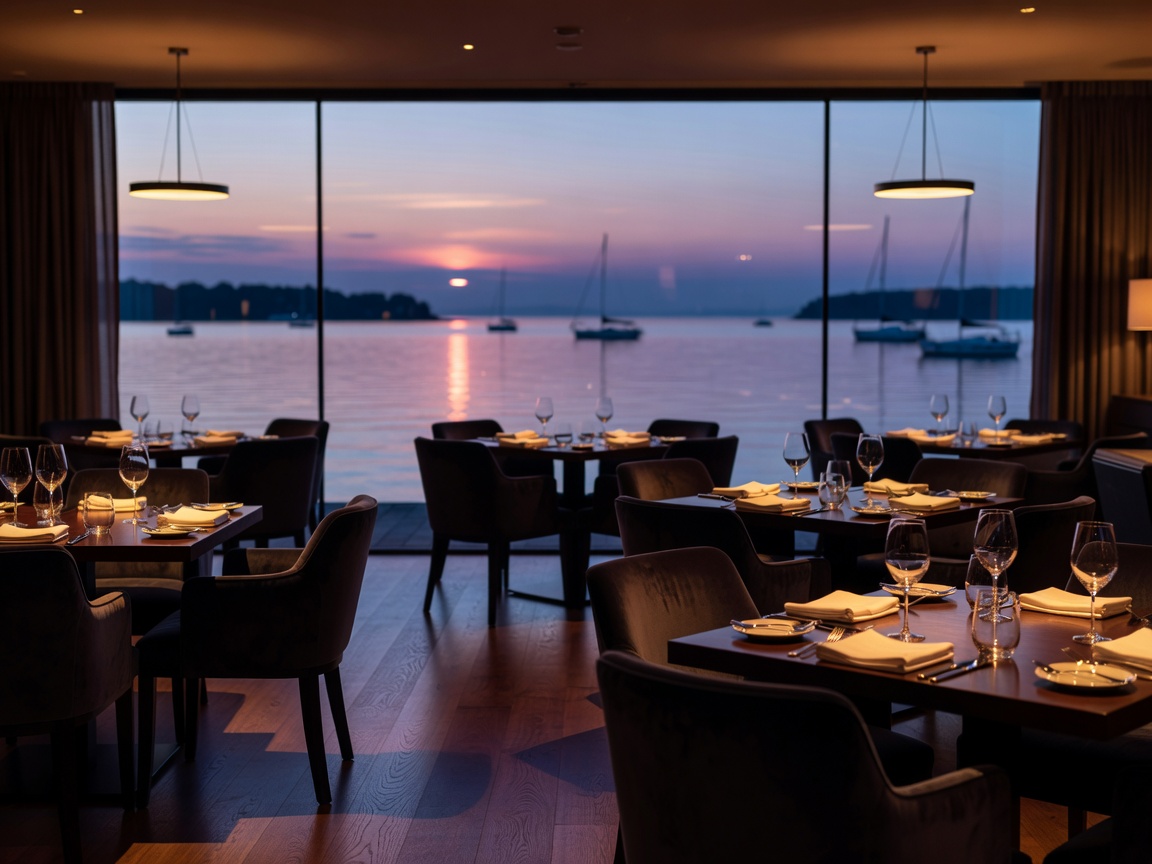
Evening is an appealing time to dine near water because the light, reflections and activity can change through a meal. In northern summer, daylight can linger; in cooler months, indoor warmth may matter more than a terrace. Consider the whole visit: how you will arrive, whether you want to walk before or after, and whether the room offers a comfortable alternative if outdoor plans change. A waterfront setting is an added layer, not a guarantee of a particular mood.
Location or food? Make room for both.
A striking view can make a meal memorable, but location does not automatically mean better cooking. If food is the priority, read the menu carefully and look for clear descriptions of fish, preparation and accompaniments. If the setting is the main event, accept that you may be choosing atmosphere first and seek a menu that still suits your tastes. A useful compromise is to shortlist a restaurant by its food focus, then consider the water view as a bonus rather than the sole test.
Think about practical details as part of the experience. Waterfront sites can be exposed, busy or farther from the centre than they look on a map. Public transport, walking distance, mobility access and weather all matter. A restaurant can be close to water without offering an unobstructed view from every seat. Current seating arrangements, menus and opening details change, so confirm them directly if they are central to your plans.
Casual harbour meals and special occasions
For a relaxed meal, an informal fish lunch or simple seafood plate can suit a day spent exploring the port. A more formal evening may call for a quieter room, a longer menu or a reservation, where available. Outdoor dining can bring a lively, social atmosphere; indoor dining may offer more comfort and a better sense of the kitchen. The right choice is personal, and a good waterfront meal need not be expensive or elaborate to feel connected to its surroundings.
Good for
Slow evenings: pair dinner with a walk along the quay. Summer visits: enjoy an outdoor setting when conditions allow. Port-city explorers: use a meal to understand a working waterfront. Celebrations: choose a setting that supports conversation as well as the view.
What to know
Weather, outdoor seating, menus, prices, hours and availability can change. A waterfront address does not guarantee a sea view or a seafood-focused menu. Confirm current details with the restaurant and consider a comfortable indoor alternative.