A CURRENT, NOT A SINGLE STYLE
Modern Baltic cooking is a conversation, not a recipe book.
Contemporary restaurants across the Baltic region work in a landscape of local ingredients, international ideas and varied dining traditions. One kitchen may favour direct, ingredient-led cooking; another may use fermentation, smoking or a tasting-menu format to build a more layered story. “Modern Baltic” can be a helpful description of a point of view, but it is not a regulated style and does not describe every restaurant in Tallinn, Riga, Helsinki or beyond. Read the menu and the room on their own terms.
Ingredients first, with room for interpretation
Fish and seafood may sit beside root vegetables, herbs, mushrooms, berries, grains or dairy, depending on the place and season. Rye, potatoes, dill and preserved flavours can offer recognisable regional references without forcing a dish into a historical template. Some cooks keep a preparation spare so the ingredient remains the focus; others combine contrasting textures or influences from elsewhere. A locally sourced ingredient, when stated by a restaurant, tells only part of the story: sourcing practices and menu details can vary, and claims are best understood in their specific context.
Preservation in a contemporary kitchen
Fermentation, smoking and pickling are useful culinary techniques that can deepen flavour, extend use and create distinctive textures. Fermentation uses microorganisms to transform food under controlled conditions; pickling generally introduces acidity, often with vinegar or a brine; smoking adds aroma and may also cook or preserve, depending on the process. These methods have long histories in many food cultures, but a contemporary chef may apply them in new combinations. Modern use should not automatically be presented as an unchanged or uniquely Baltic tradition.
Seasonal menus and changing plates
A seasonal menu can reflect changing produce, supply or the kitchen’s creative direction. It can also change simply because an ingredient is no longer available. Rather than assuming a fixed calendar, notice the menu’s current language and ask staff what is especially good now. Restaurants use “seasonal” in different ways, and a dish described that way is not by itself proof of a particular sourcing standard or environmental outcome. If the menu changes often, that can be a sign of flexibility, not necessarily a promise about where every ingredient comes from.
Presentation: clarity or theatre?
Modern seafood presentation ranges from a simple grilled fillet with vegetables to small, composed courses with sauces and precise garnishes. A tasting menu may reveal a sequence of textures and preparations; a casual dining room may focus on generous portions and familiar accompaniments. Neither approach is inherently more authentic or more skilful. Consider what makes you comfortable: the amount of explanation, the pace, the portion style and the opportunity to choose a single dish. If descriptions are unfamiliar, asking for a plain-language explanation is perfectly reasonable.
The room is part of the meal
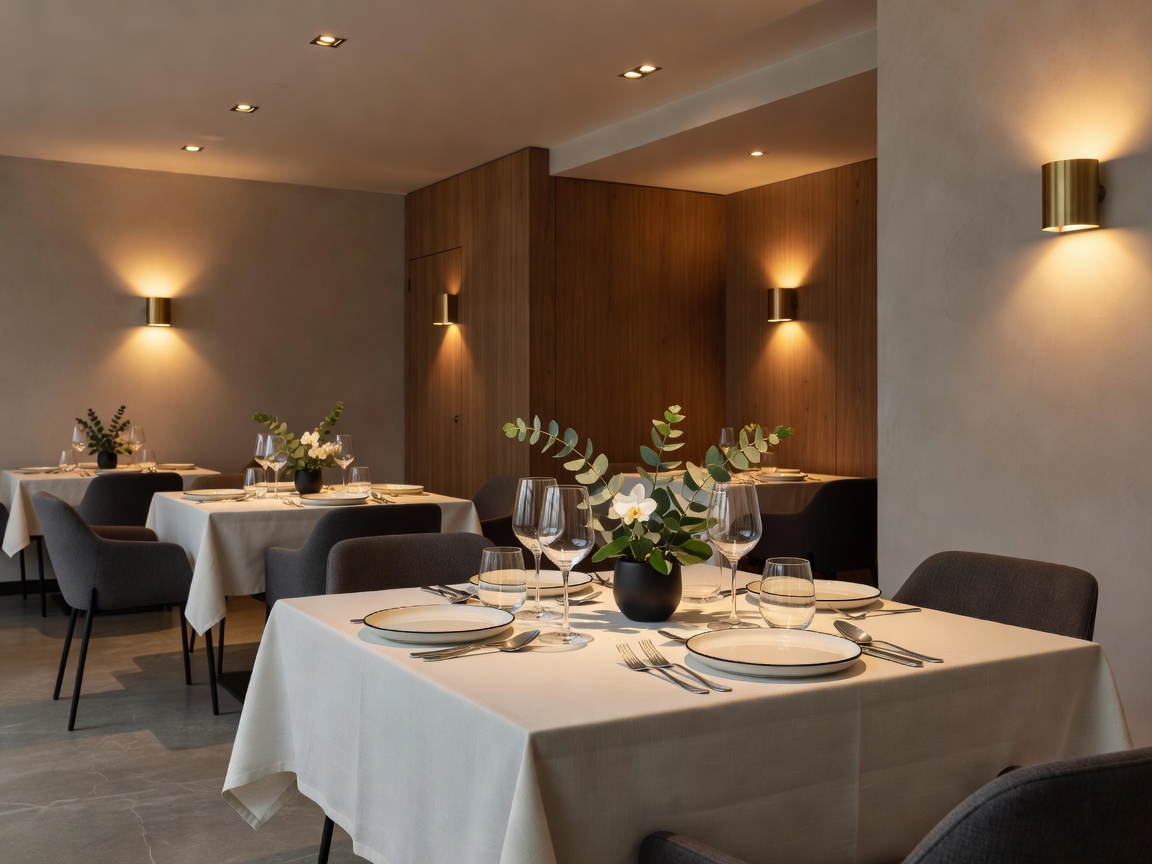
Restaurant interiors often bring together timber, stone, textured plaster, glass and subdued lighting. Some dining rooms are quiet and close, others open and energetic. An open kitchen can make preparation visible and lend a sense of theatre, though not every restaurant has one and it does not guarantee a particular cooking style. When choosing a restaurant, think about the group, noise level, seating and access alongside the design photographs. A beautifully composed room is one element of a good evening, not a substitute for food that suits your tastes.
Traditional dining, contemporary cooking and casual harbour meals
Traditional seafood dining may prioritise familiar preparations, generous plates and established combinations. Contemporary Baltic cooking may reinterpret ingredients or present several small courses. Casual harbour dining can be direct and informal, with the surroundings doing much of the talking. Fine dining usually gives more attention to pacing, service and detail, but formats and prices vary. These categories overlap; one restaurant may serve both a simple fish lunch and a more elaborate dinner. Choose the style that fits the occasion rather than treating a label as a quality score.
Regional food is always changing. Migration, tourism, new equipment, international restaurant culture and personal creativity all influence what reaches the table. Some dishes maintain a close connection to older household practices; others are new compositions using familiar ingredients. Both can be interesting. The key is to describe them honestly: technique is not history, a local ingredient is not proof of exclusivity, and an attractive interior does not establish the provenance of the fish.
Good for
Design-minded diners: notice how materials and light shape the room. Curious eaters: compare a simple fish dish with a more composed menu. Ingredient explorers: ask how a preparation changes flavour and texture. Groups: check menu format, pace and atmosphere before choosing.
What to know
Menus, prices, hours and availability can change. “Modern,” “local” and “seasonal” are broad terms; ask the restaurant for current detail if it matters to your decision. This guide is editorial context, not a restaurant recommendation or verification of individual claims.