A TASTE GUIDE / WITHOUT THE JARGON
Start with the fish, then notice what accompanies it.
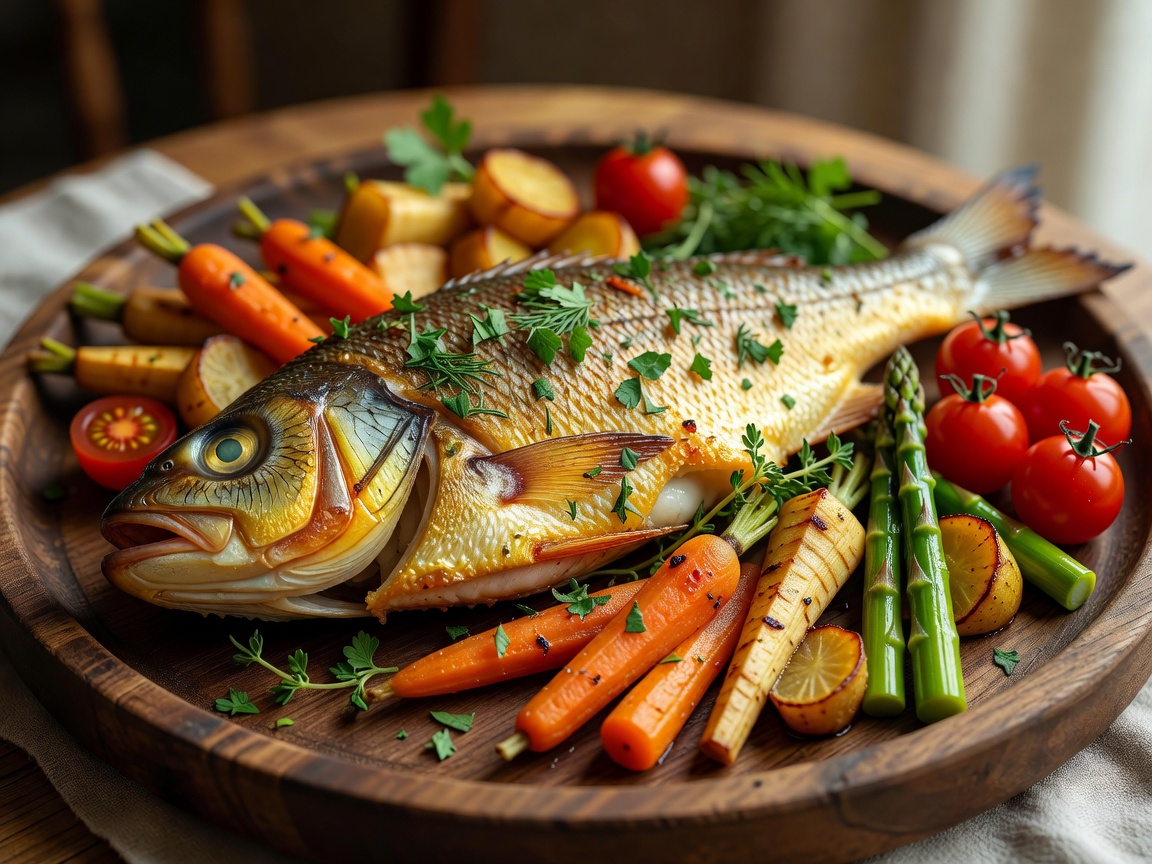
Baltic seafood cooking is not one fixed cuisine. It reflects a broad, varied shoreline, a changing climate, freshwater and saltwater environments, trade, migration and the everyday choices of cooks. A meal might centre on simply cooked fish, a deeply savoury smoked fillet, pickled herring or a contemporary dish that borrows freely from several traditions. The ingredients below are useful signposts, not a checklist every restaurant should follow.
Herring: fresh, cured and full of character
Herring is a familiar fish around the Baltic and North Atlantic. Its flavour can be rich and distinctive, and the way it is treated makes a big difference. “Pickled” usually means preserved in a seasoned acidic brine, often with vinegar, sugar or aromatics. “Cured” is a broader term for preserving with salt, sugar or another process. You may see herring served with potatoes, onions, dill, rye bread, sour cream or a sharp mustard sauce. The combinations vary across households and restaurants.
Salmon, sprats and smaller fish
Salmon appears in many forms, including roasted, cured or smoked preparations. Sprats are small oily fish often associated with smoking and preserving; their savoury intensity pairs naturally with bread, butter, eggs or other simple accompaniments. Species availability differs between places and over time, so a familiar dish name does not guarantee the same ingredient or method everywhere. Perch and pike are freshwater fish that may feature in local or regional cooking, sometimes in soups, fried portions or carefully prepared fillets. They are not interchangeable in flavour or texture.
Smoking, salting and pickling
Preservation has practical roots: it helps keep food useful beyond the moment of catch and gives fish an unmistakable flavour. Cold smoking exposes food to smoke without cooking it in the same way as hot smoking; hot-smoked fish is cooked by heat and smoke. Restaurant usage can vary, so ask if the distinction matters to you. Salt curing draws moisture from food and builds savoury depth. Pickling brings acidity and often a gentle sweetness. Each process can be traditional, contemporary or simply a cook’s preferred technique; it is better not to assume that a modern menu reflects an unchanged historical method.
Fish soups and shellfish
Fish soups range from light broths to creamy bowls, with potatoes, root vegetables, herbs or grains adding substance. A creamy preparation is not a defining feature of every Baltic soup; regional habits and individual kitchens differ. Shellfish may be included where supply, local conditions and restaurant choices make it appropriate, but the Baltic is not interchangeable with more open-ocean seafood regions. A concise menu explanation or a conversation with staff can clarify whether a bowl is built around fish, shellfish, vegetables or stock.
The supporting cast: rye, potatoes, dill and more
Rye bread brings a malty, earthy note and is a natural partner for smoked or pickled fish. Potatoes can be boiled, mashed, roasted or folded into a warm salad. Dill offers a grassy freshness; mustard contributes heat and gentle sharpness; cream can soften acidity or enrich a sauce. Seasonal vegetables—such as cabbage, beetroot, carrots, mushrooms or greens—add colour and balance. These foods are widely used across northern and eastern Europe and should not be treated as exclusive to a single country.
How geography and trade shape the table
Cooler conditions and short periods of abundance encouraged many communities to value preservation, though modern refrigeration and supply chains have changed daily cooking. Fishing practices, access to freshwater, agriculture and trade all influence what cooks can work with. Ports connect local life to wider markets; family techniques and contemporary restaurant ideas travel too. As a result, the same ingredient can appear in a simple home-style dish in one place and a carefully composed tasting menu elsewhere.
When reading a menu, notice the verbs: grilled, cured, smoked, pickled, poached. They tell you about texture and intensity. If a term is unfamiliar, ask what it tastes like or how it is served. A warm, direct question is more useful than expecting every restaurant to label its food in the same way.
Good for
Curious first-timers: try a familiar preparation beside something new. Fish lovers: compare fresh cooking with smoking or pickling. Shared meals: look for rye, potatoes and vegetables that complement several dishes. Menu explorers: use cooking verbs and ingredient notes to choose a flavour profile.
What to know
Species, methods and availability vary with region, sourcing and the restaurant’s current menu. Ask about allergens and preparation directly with the venue. This guide offers broad culinary context; it is not a guarantee that a dish or ingredient will be available at any particular time.