NO RIGID CALENDAR / USEFUL QUESTIONS
Seasonality is a moving picture.
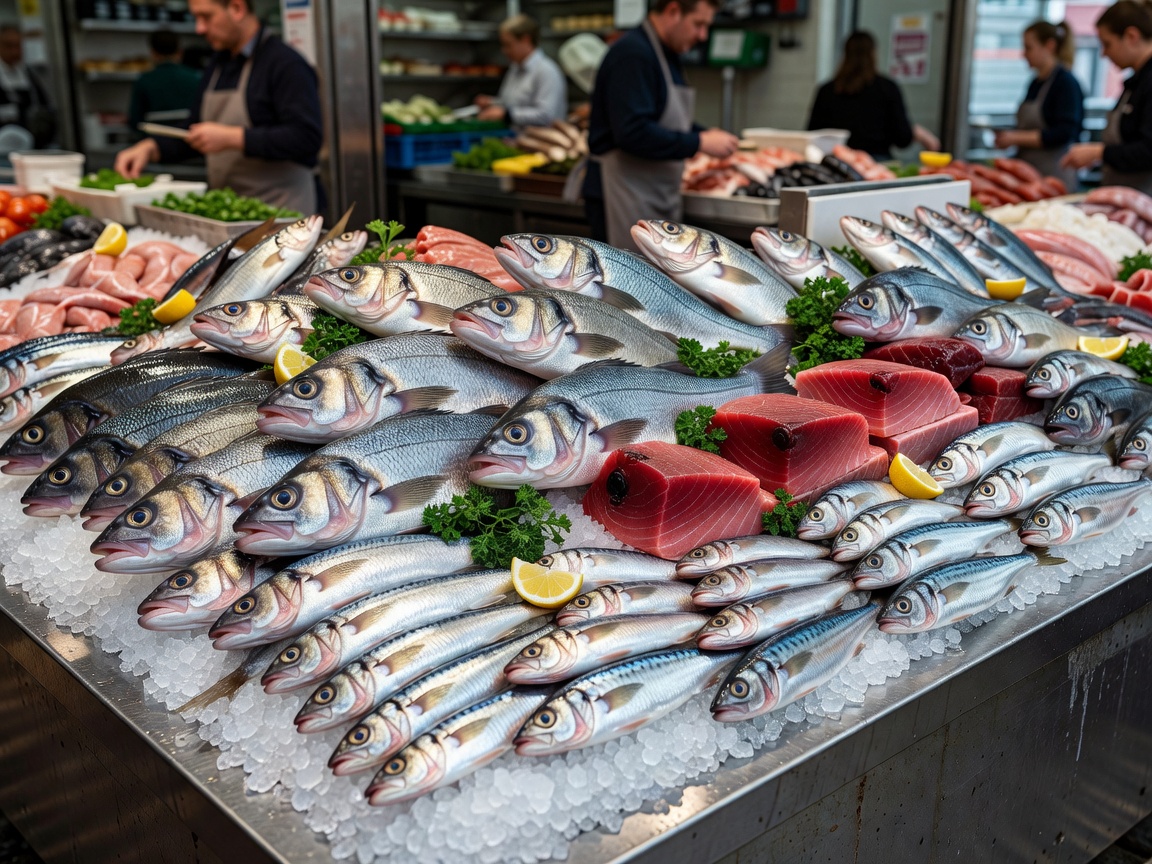
Seafood seasonality sounds simple: a species is available at one time of year and absent at another. In practice, availability depends on species, region, weather, fisheries, regulations, supply chains and the choices a restaurant makes. A broad Baltic label cannot tell you exactly what a particular kitchen has sourced today. Treat seasonality as a reason to ask thoughtful questions rather than as a fixed promise about a specific month.
Why places and species differ
The Baltic is a large, varied sea connected to many coastlines, rivers, ports and markets. Conditions are not identical from one area to another. Fish populations, fishing methods and management rules can vary by species and location; weather can affect fishing and transport; and a restaurant may choose different suppliers or menu formats. The same species name may therefore appear in different contexts, or not appear on a menu at all. We avoid publishing exact fishing seasons because they can become misleading without current, species-specific local information.
Fresh, frozen and preserved are different stories
“Fresh” is often used casually, but it can mean different things in conversation. If the distinction matters, ask the restaurant what the term means for that dish and where the ingredient comes from. Frozen seafood can be a considered choice that supports consistent quality and supply; it should not automatically be treated as inferior. Smoked, salted, cured and pickled fish are preserved preparations with their own character. Preservation can be a defining feature of a dish rather than a substitute for freshness.
Smoked fish may be hot-smoked or cold-smoked, resulting in different textures and cooking outcomes. Pickled fish is usually seasoned with an acidic liquid or brine. Cured fish has been treated to change or preserve it, often with salt or a mixture of salt and sugar. A menu may use these terms precisely or in a broad way. Asking how a fish is prepared can help you understand the flavour before ordering.
Read the whole menu
Fish rarely arrives alone. Seasonal vegetables, herbs, potatoes, rye, sauces and preserved accompaniments can show how a kitchen balances richness, acidity and texture. A menu that changes with produce may offer a useful window into the season, but wording varies between restaurants. “Local” may describe a particular ingredient, a supplier relationship or a general intention; ask which if you need clarity. “Catch of the day” can be appealing, but it is reasonable to ask which fish it is and how it will be cooked.
Questions that work at the table
Keep questions open, friendly and specific. You might ask: “Which fish is available today?” “Is it fresh, frozen or preserved?” “How is it prepared?” “Where is it sourced from?” “What vegetables come with it?” “Is there a dish you would suggest if I like a lighter flavour?” If sustainability is important to you, ask what information the restaurant can provide about its sourcing, species and supplier. A restaurant may not have every detail at hand, and an answer should not be treated as a formal certification.
These questions are useful for dietary reasons too. Fish and seafood can involve allergens, sauces and shared preparation surfaces. Tell staff about an allergy and ask whether a dish can be prepared safely; do not rely on menu wording alone. For preference rather than allergy, explain what you enjoy—mild, smoky, rich, tangy or simply cooked—and let the staff guide you through what is currently available.
Responsible purchasing: avoid easy assumptions
Words such as “sustainable,” “responsible” and “local” can refer to different standards or priorities. Seafood impacts depend on species, stock status, fishing or farming method, location, management and supply chain. Without supporting details, a general claim does not tell the full story. Diners can ask a restaurant what it knows about a product and what considerations inform the menu, while recognising that sourcing information may be limited or change. There is no need to make a confident judgment from one label or one plate.
Seasonal vegetables belong in the conversation
Produce can change the feel of a seafood dish just as much as the fish does. Root vegetables, cabbage, mushrooms, herbs and greens may appear in different forms, but their availability and preparation depend on the region and kitchen. Seasonal sides can provide freshness, sweetness or a gentle bitterness alongside rich fish. If you are looking for a particular experience, ask which sides accompany the seafood rather than choosing by the fish name alone.
Good for
Curious diners: understand unfamiliar menu words. Seafood enthusiasts: compare preserved and freshly cooked fish. Thoughtful purchasers: ask clear, non-leading questions about sourcing. Flexible planners: choose from what is actually available rather than relying on a fixed list.
What to know
Availability can change with species, location, weather, fisheries, regulations, supply chains and restaurant sourcing. Menus, prices, hours and dish details may change. Ask the restaurant directly for current information. This editorial guide does not verify any individual sourcing or sustainability claim.